
Concrete Work in Lacey Township: What Homeowners Should Know
Thinking about a new driveway, patio, or walkway? Quality concrete work in Lacey Township starts long before the truck shows up. From soil prep to curing, each step affects how your surface looks and lasts. If you want a quick overview of process and options, explore our concrete work page, then use this guide to plan your project with confidence.
Why Quality Concrete Work Matters In Lacey Township
Lacey Township sits near the bay, with sandy soils in many neighborhoods and winter freeze-thaw cycles. That mix creates movement under slabs and stress at the surface. The right base, joints, and drainage keep concrete from cracking early and protect the edges where damage often starts.
Salt air and stormwater can speed up wear. Finishes that shed water and a sealer schedule that fits our climate help maintain a clean look. A local team that understands Forked River and Lanoka Harbor conditions will choose mixes and details suited to our area.
Common Residential Concrete Projects We Handle
Most homeowners in town focus on curb appeal and safe footing. Here are popular choices that fit those goals:
- Driveways with clean broom finish or a light exposed aggregate accent at the apron
- Front walkways and stoops that guide water away from your entry
- Backyard patios sized for grills and seating without crowding the yard
- Garage, shed, or generator pads with proper thickness and reinforcement
- Trash can or AC pads that keep heavy items level and off soil
Each of these projects benefits from consistent base prep, steel or fiber reinforcement where needed, and careful curing to reach design strength.
What A Professional Concrete Process Looks Like
Site Evaluation And Layout
A pro checks soil conditions, slope, and how water moves across your property. Layout marks the edges, path width, and transitions to existing surfaces so everything looks straight and drains right.
Base Preparation And Forms
The crew removes soft or organic material and compacts a stable stone base. Forms define clean lines and correct elevations. This stage sets the look and helps the slab resist settlement later.
Reinforcement And Mix Selection
Rebar or wire mesh ties the slab together and helps control crack width. The mix is chosen for strength and workability. Air entrainment is common in our climate to handle winter cycles and reduce surface scaling.
Placement, Finish, And Joints
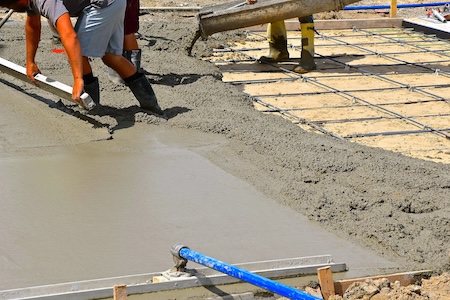
Concrete is placed and leveled so it flows to intended drains and away from entry points. Popular finishes include broom for traction, light expose for texture, or a smooth steel trowel for interior-style slabs. Control joints are cut at the right spacing to guide natural shrinkage.
Curing And Protection
Curing helps the slab gain strength evenly. Crews may use curing compound or moisture-retention methods. Keeping off the slab until it is ready protects the surface and edges from early damage.
Durability Factors Homeowners Should Watch
Hire a licensed and insured contractor with local references. Ask about their base depth, compaction method, and how they place joints. The answers reveal how seriously they take durability.
Ask about control joints and drainage. Joints keep natural cracking predictable. Drainage keeps water from sitting under the slab or at the garage door where freeze-thaw is roughest.
Choose a finish that fits use. Broom is great for driveways and walks because shoes and snow shovels grip better. Decorative touches can be added at borders without giving up traction.
Sealing schedules vary by exposure and foot or vehicle traffic. In coastal towns, sealing the first year and reapplying at reasonable intervals helps resist moisture and deicing products.
Local Considerations In Lacey Township, NJ
Timing matters. Many projects happen spring through fall when temperatures support proper curing. Sudden coastal storms can pop up, so schedules may shift to protect your finish rather than risk a rush job.
Some neighborhoods or HOAs have rules on appearance or placement. Permits and inspections can vary by scope. Your contractor should guide you through what applies to your address without making the process complicated or slow.
Winter care is simple. Avoid de-icers containing ammonium salts on new concrete and use plain sand for grip if needed. Gentle snow removal with a shovel or plastic-edged plow helps preserve the surface.
Concrete Finishes And Textures That Fit The Shore
Broom finish is the most common because it looks neat and stays safer in wet weather. Light exposed aggregate adds visual interest near landscaping beds and holds up well with a good sealer. Stamped borders can frame a patio or walkway while keeping the main field easy to maintain.
Color options range from subtle grays to earthy tones that pair with brick or vinyl siding. Keep colors lighter if your entry faces full sun, since darker slabs can feel warmer in July and August.
Concrete Or Asphalt: Choosing What Works For You
Both surfaces serve different goals. Asphalt warms up and sheds snow a bit faster. Concrete offers crisp lines, light color, and good traction with a broom finish. Many Lacey Township homes use asphalt for long driveways and concrete for aprons, walks, and stoops. If you are weighing options across your property, browse our services to see how materials can work together for curb appeal.
How To Choose A Local Concrete Contractor
Focus on clarity and proof. Ask for recent photos from Forked River, Lanoka Harbor, or your part of town. Look for written scopes that explain base prep, reinforcement, joint layout, and curing. Crews that explain details are more likely to do them right on site.
Communication counts. You want a timeline that fits your schedule and a plan for access, parking, and safety while the project is active. If you are just getting started, our overview of concrete work shows typical project steps in plain language.
For more background on surfaces and maintenance, you can skim our latest insights on the paving articles page and compare options for concrete work in Lacey Township before you decide.
What To Expect During Your Project
Crews will need clear access and a staging area for forms, reinforcement, and tools. Noise and vibration from compaction are normal and short lived. Expect some dust during demolition and cleanup through the end of the pour.
- Move vehicles and items like planters or grills before the start day.
- Keep pets and children away from work areas until forms are removed.
- Plan alternate parking and walk paths during curing.
Never block expansion joints with soil or mulch after landscaping. Those gaps let the slab move as temperatures change. Good edges and clean joints extend the life and look of the slab.
Smart Details That Make A Big Difference
Subbase And Thickness
Stable, compacted stone under the slab helps carry weight without settling. Thickness should match use. Walkways need less than driveways, and pads that hold equipment often need reinforcement to keep corners flat.
Edges And Transitions
Neat edges resist chipping. Transitions to asphalt or pavers should be smooth so wheels do not catch and water does not pool. A slight bevel at the top can protect the look where brooms and shovels ride.
Joint Planning
Control joints are laid out in a pattern that fits your space and keeps lines pleasing to the eye. Expansion joints isolate your slab from steps, walls, or columns so each piece can move a little without pushing on the other.
Maintenance Basics For Long-Lasting Concrete
Rinse grit and leaves so they do not stain or scratch the finish. Clean spills sooner rather than later. Reseal on a sensible schedule for your exposure and use. In winter, choose gentle products and give the slab time to warm naturally after cold snaps.
Protect corners and edges when moving dumpsters, pallets, or delivered materials across the driveway. Simple plywood sheets can spread the load and avoid scuffs or chips at high-stress points.
Ready To Plan Your Project?
You do not have to figure it all out alone. The team at Topcoat Paving & Sealcoating can evaluate your property, recommend finishes, and set a timeline that respects your schedule. To start a smooth process, reach out through our page on concrete work or call us at 609-242-4019. We serve homeowners across Lacey Township with clear communication and careful workmanship that keeps your property looking sharp year after year.
