
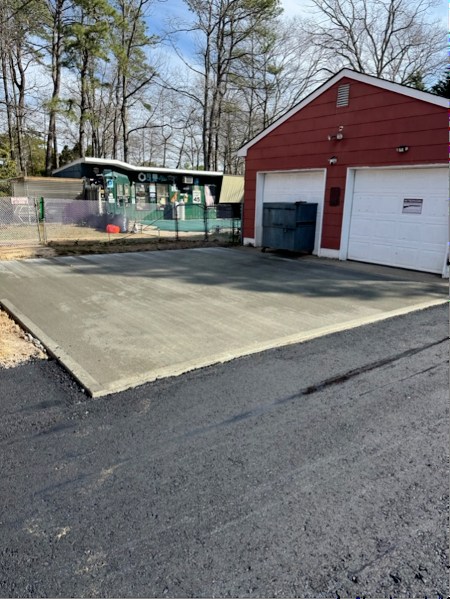
Why Coastal New Jersey Weather Can Shorten the Life of Your Concrete
Concrete holds up well in most places, but coastal New Jersey is not most places. If you live in Lacey Township, winter freeze and thaw cycles, salt-laden air, heavy rain, and a high water table all team up to wear your surfaces faster than you expect. Homeowners who plan ahead get better results and fewer headaches. If you want a quick review of options for long-lasting surfaces, take a look at our concrete work page and see how a pro installation sets you up for years of use.
This guide explains the main weather forces that attack concrete near the Jersey Shore, how to spot early warning signs after storms, and what professional choices make the biggest difference. It is written for neighborhoods across Lacey Township, including Forked River, Lanoka Harbor, and Bamber Lake, where bay breezes, pine shade, and tidal weather shape how concrete ages.
How Coastal Weather Wears Down Concrete in Lacey Township, NJ
Concrete is strong in compression, but it is vulnerable to water, salts, and temperature swings. Along the coast, those stressors are common and intense. The result can be cracking, scaling, spalling, and premature wear on driveways, walkways, steps, and patios.
- Salt air and spray carry chlorides that seep into tiny pores and speed up surface decay.
- Moisture from humidity and rain keeps concrete damp, which increases freeze damage in winter.
- Storm surges and nor’easters can leave standing water that penetrates joints and weak spots.
- Wind-driven sand acts like sandpaper, eroding exposed edges and finishes over time.
Salt, moisture, and freeze and thaw cycles are the big trio that damage concrete along the Jersey Shore. In Lacey Township, those conditions can show up in one week: a warm spell, a cold snap, and a coastal storm. Repeated stress breaks down even decent installations if drainage and materials are not dialed in.
Freeze and Thaw Cycles and Winter Road Salt
When temperatures bounce around freezing, water inside the concrete expands and contracts. Micro-cracks widen and reach the surface. When this happens again and again through February and March, you may notice flaking or pop-outs where the paste has broken away. Road salt tracked from Route 9 or local streets can make it worse by pulling more water into the slab and weakening the surface paste.
Driveways in Forked River that see frequent plow passes or salt trucks often show early scaling at the apron near the street. Walkways along the bay, where spray and wind are common, may show pitting on exposed corners. These are early signs that the surface is being stressed beyond what the original mix or finish can handle.
Heavy Rain, High Water Tables, and Drainage Pressure
Ocean County storms can drop inches of rain within hours. In low-lying parts of Lanoka Harbor or near Bamber Lake, the water table can already be high. When saturated soil pushes water against a slab from below, you may see heaving, edge settlement, or new cracks after the ground dries out. Poor grading makes it worse by letting runoff pool near joints and control cuts.
A drainage-friendly plan reduces that pressure. That usually means the right subbase depth, compacted stone that allows water to move away, and slab slopes that carry water off the surface instead of toward your home or the street. Good drainage is not a nice to have, it is essential for long-lasting concrete. It is the key difference between a driveway that survives a nor’easter with no new cracks and one that needs repair every spring.
Local insight: After heavy, multi-day rain, wait for the ground to drain before scheduling inspections. Subsurface water can hide movement that is easier to judge once soil moisture drops. This timing helps a pro recommend fixes that last.
Signs Your Concrete Needs Attention After Storms
Walk your property a day or two after the weather settles. Look for problems that often follow coastal storms and winter swings in Lacey Township:
- New hairline cracks that branch like a spider web, especially across driveway tire paths
- White crusts at joints or edges, a sign of salts and minerals moving through the slab
- Shallow pits or pop-outs on steps and walks where water pooled
- Low spots that stay damp long after the rest has dried
- Edges that have settled below the surrounding grade, letting water run toward seams
If you notice a combination of these, a professional evaluation can save the rest of the slab. Visit our page on concrete work to understand how a targeted repair or a new, more durable pour can stop the cycle before it spreads.
Better Mixes and Installation for Shore Homes
Durable exterior concrete for coastal New Jersey homes starts with choices that fit our climate. Air-entrained mixes help relieve pressure from freezing water. Fibers can reduce early shrinkage cracks and keep edges tighter. The right compressive strength is chosen for how the surface will be used, from a light-use patio in Lanoka Harbor to a driveway that sees trucks and trailers near Forked River.
Finish and curing matter as much as the mix. A uniform, non-burnished finish allows sealers and water to behave as expected. Proper curing prevents early drying, which leads to surface dusting. Quality joints placed at the correct spacing help guide cracking where it is least noticeable. Sealers slow down moisture and salt penetration but do not replace proper installation. They are part of a system that also includes grading, base, and joint planning.
If you are comparing options for concrete work around your property, remember that site drainage, exposure to bay winds, and shade from pines all affect performance. A plan that works for a house inland might fail near the water. That is why neighborhood experience in Lacey Township, NJ really matters.
Neighborhood Snapshots Around Lacey Township
Forked River: Driveways near busy corridors see more salt tracked onto the surface each winter. Homeowners often notice scaling closest to the street first. A stronger surface and tighter joint layout can help protect that zone.
Lanoka Harbor: Bayside properties can get wind-blown spray and higher humidity. Steps and walks near the water tend to show pitting on edges that face the bay. A slightly different finish and a strong sealer schedule can improve resistance.
Bamber Lake: Shaded lots and sandy soils keep surfaces damp longer after rain. Patios here often show moss at joints and soft spots where water sits. Better slope and a compacted stone base help move water away faster.
Maintenance Habits That Add Years
There is no single fix that stops coastal weather, but steady care keeps concrete looking good for much longer. Plan seasonal checkups in late fall and late spring. Ask a pro to examine joints, edges, and any low areas where water may be sneaking under the slab. Address small issues before winter. A short visit now can prevent a bigger repair after the thaw.
Be careful with deicers. Some products can be harsh on young surfaces or on patched areas. Sand is often safer for traction. If you need to clear ice, follow manufacturer guidance and keep pellets away from decorative borders or new steps. Keep gutters and downspouts aimed so runoff does not dump across walkways or settle near driveway joints.
Schedule service before the first hard freeze to reduce winter damage. That timing gives your contractor room to seal, caulk, or make repairs while temperatures are friendly to the work.
When Repair Makes Sense Versus Replacement
Light cracking that follows control joints, a small settled corner, or shallow surface scaling can often be fixed through targeted professional repairs. The goal is to stop water from finding new paths into the slab. On the other hand, deep cracks across the wheel paths, multiple low spots that hold water, or widespread pop-outs are signs a larger section has reached the end of its useful life. A qualified team will weigh the slab’s age, base condition, and exposure to local weather when recommending the best path forward.
For homes near the Jersey Shore, the right choice is the one that handles stormwater and salt first, then solves surface appearance. That is why many Lacey Township homeowners ask for drainage-friendly concrete installation that manages runoff while keeping entries and driveways safe to use in all seasons.
Get Concrete That Lasts in Lacey Township
Shore weather never takes a season off, but your concrete can still go the distance with a plan built for our climate. Topcoat Paving & Sealcoating is ready to evaluate your driveway, walkway, steps, or patio and recommend practical solutions for coastal conditions. Start by requesting a concrete assessment and we will explain the best approach for your property in clear, simple terms.
Prefer to talk now? Call 609-242-4019 to schedule a visit. We will review storm exposure, drainage, and surface wear, then suggest a durable path forward for your home. If you want a quick overview of our service approach and what sets us apart locally, explore our concrete work resources and see why neighbors across Lacey Township trust our team.
